
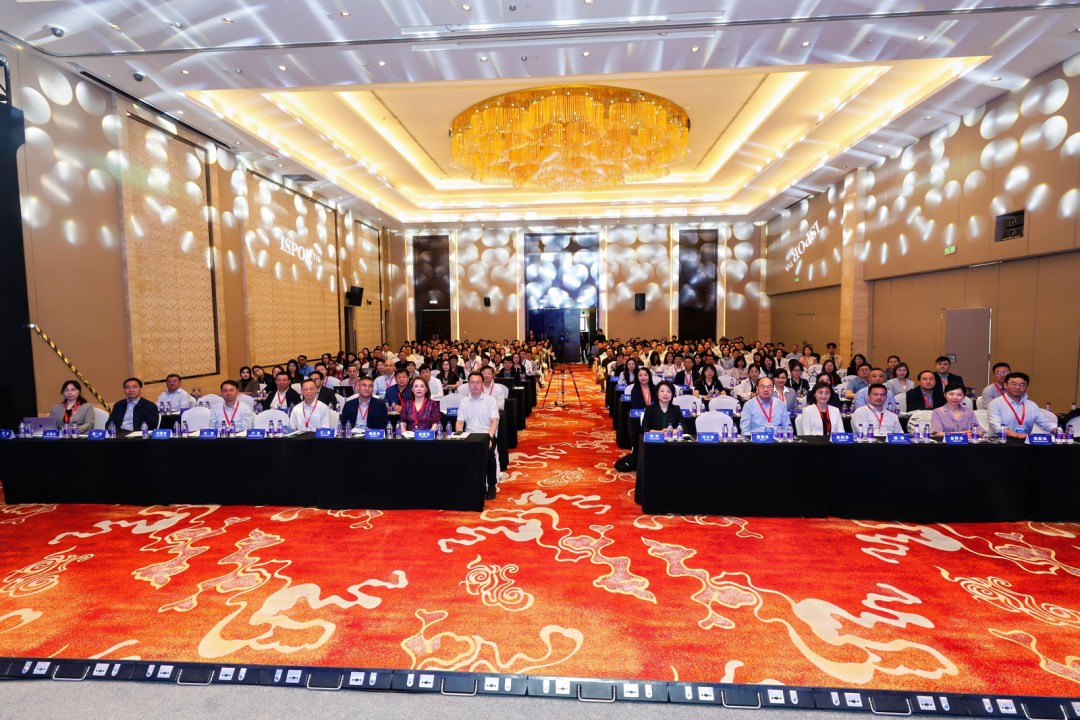
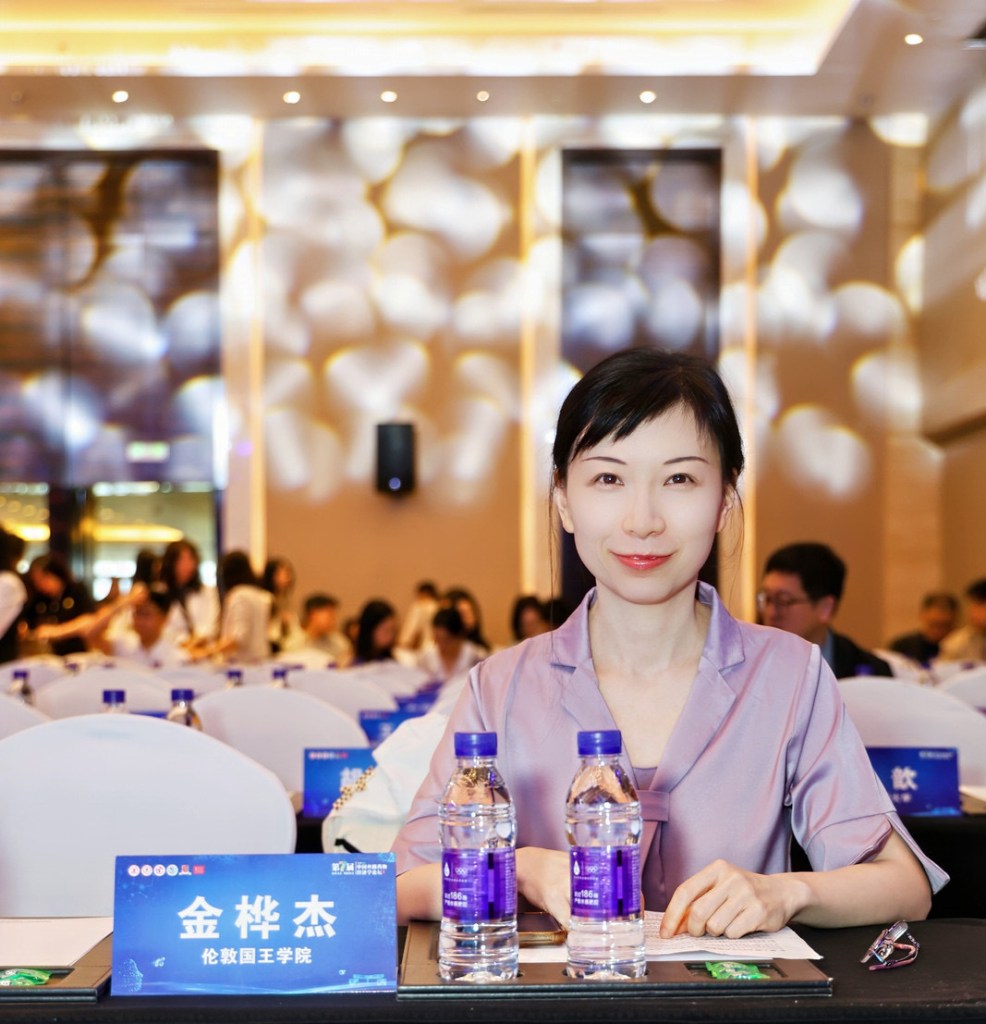
From 9 to 11 May, I had the honour of attending the 7th ISPOR China Silk Road Pharmacoeconomics Forum in Xi’an, where I was invited to serve as one of the Co-Chairs. Jointly organised by Xi’an Jiaotong University and several partner institutions, the event brought together nearly 500 experts from academia, government, and industry to exchange insights on topics such as pharmacoeconomics, medical insurance reform, and health technology assessment (HTA).
As one of the speakers at the opening ceremony, I shared some personal reflections and insights from my recent involvement in early HTA initiatives in the UK:
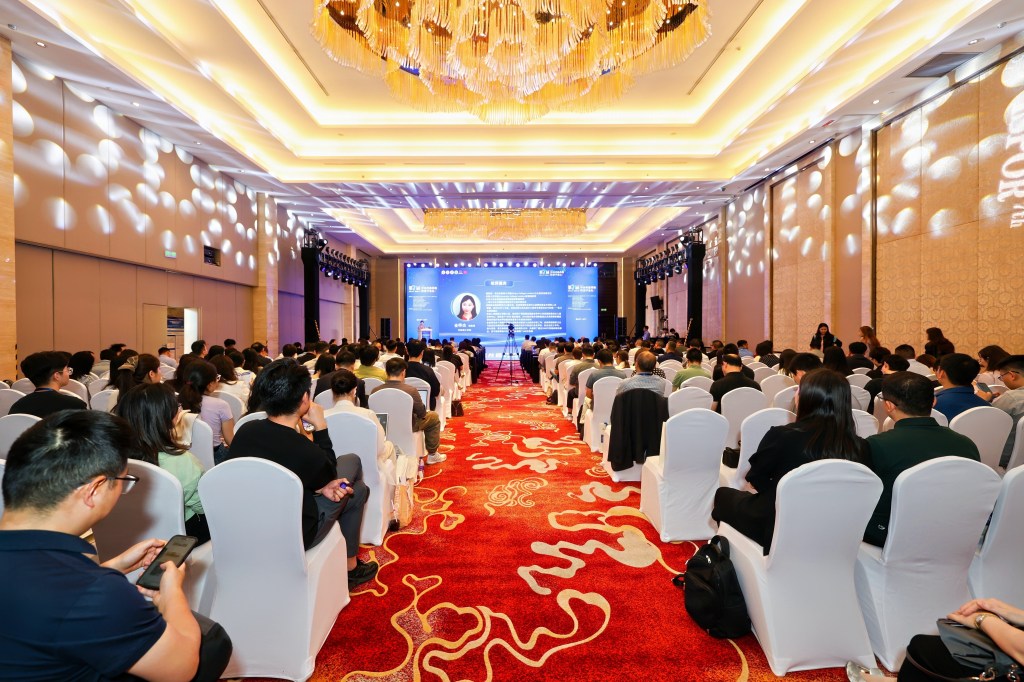
“Cost-effectiveness assessment of medicines should not be left until the final stage.”
Designing product development with the goal of “can it be reimbursed in the future?” in mind from the earliest stage has been a strategy that the UK government has strongly emphasised in recent years. One project I contributed to—funded by Innovate UK—used modelling analysis to support a biomarker company in identifying what level of accuracy and pricing would be needed to succeed in evaluation by the National Institute for Health and Care Excellence (NICE).
I also touched on an observation common among many innovative startups: while their technologies are often impressive, their understanding of reimbursement systems and market positioning tends to fall short. Early HTA can bridge this gap, enabling smarter, more strategic decisions and avoiding costly missteps.
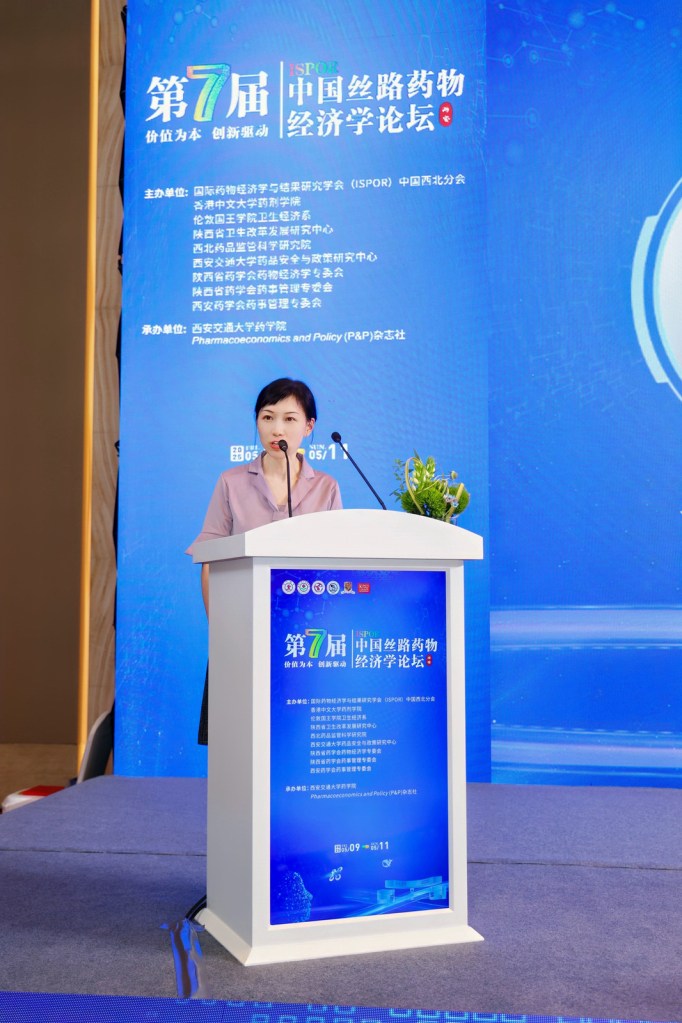
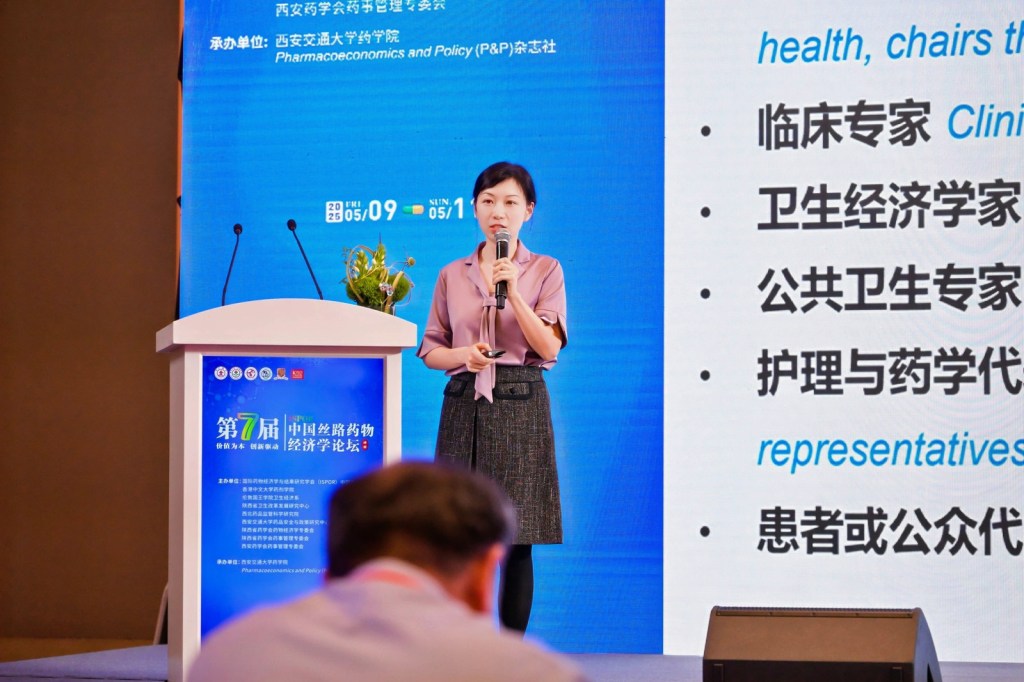
During the main forum, I delivered a 20-minute presentation titled “Bringing Innovative Medicines to Europe: HTA Trends and Case Insights”.
I focused on a widely followed real-world case: Capivasertib, a targeted therapy for breast cancer, and its complex assessment journey with NICE in the UK. Step by step, I walked through the evaluation process—covering approval procedures, modelling methodologies, and the active role of patient advocacy groups in public consultation.
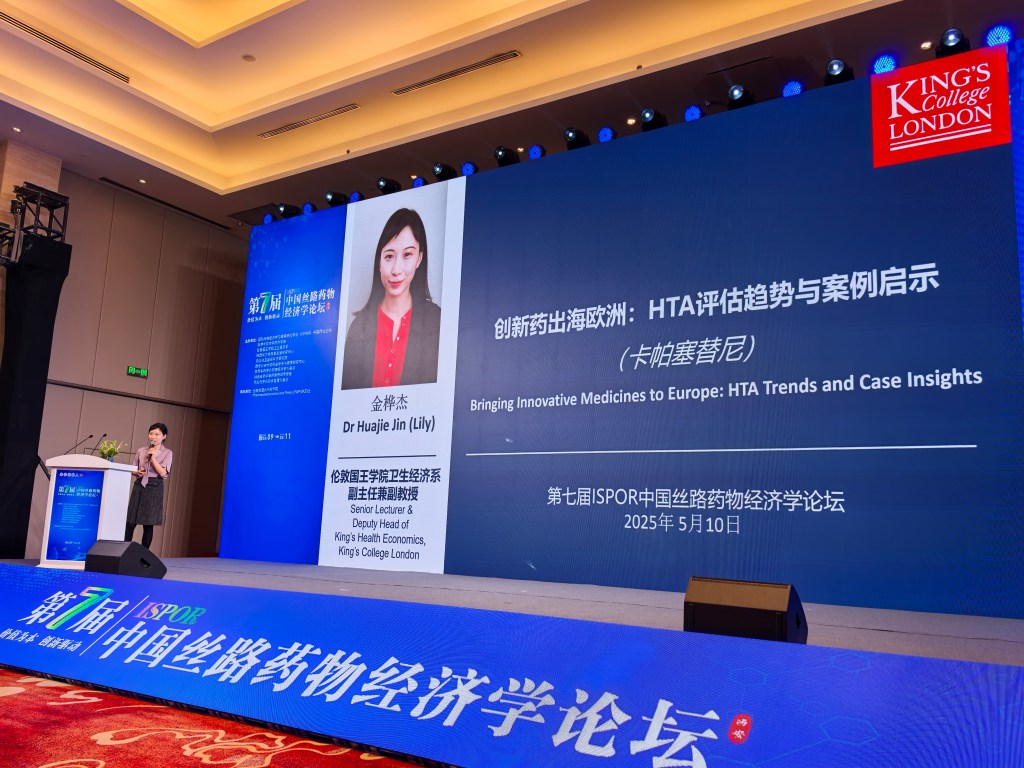
This case highlighted two main aspects: the increasing emphasis on early engagement and evidence quality in European HTA processes, and the evolving understanding that HTA is not just a scientific assessment but a societal decision-making process. Patient voices, budgetary constraints, and ethical considerations all play critical roles in the final outcome.
The presentation resonated with many attendees and sparked follow-up discussions and exchanges with both academics and industry colleagues.
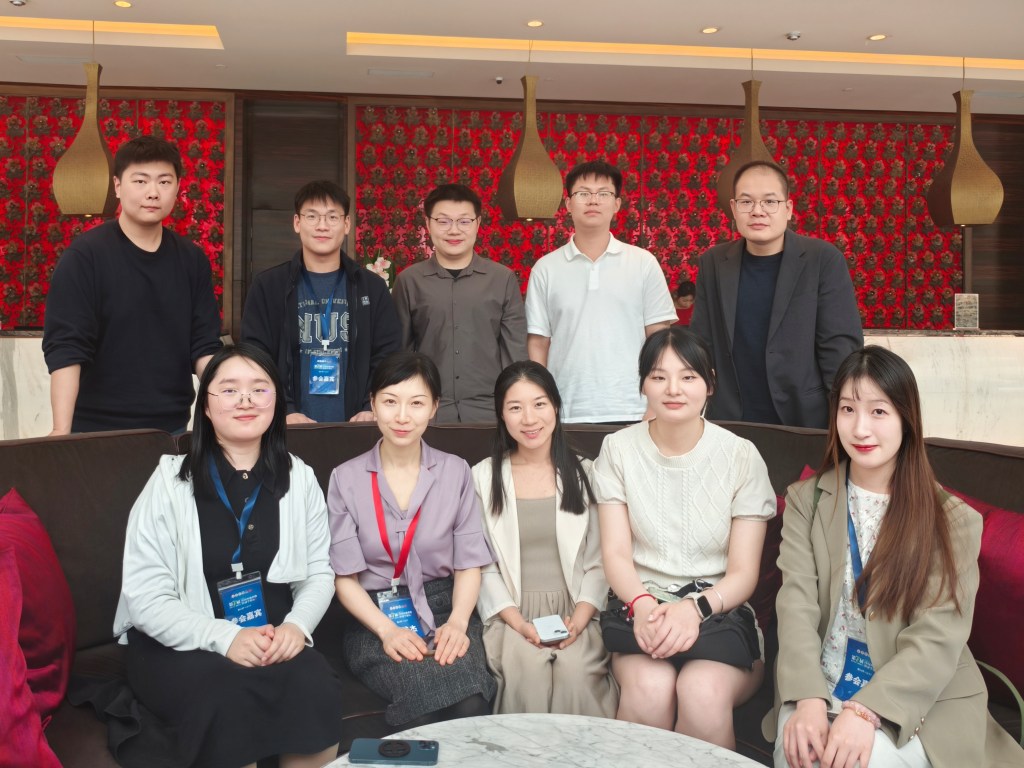
In addition to the main forum, we hosted a small ECHORA member meetup during one of the breaks.
Although it was our first in-person gathering, the atmosphere was warm and engaging. Members took turns sharing their current work, the challenges they face, and ideas for ECHORA’s future direction.
My trip to Xi’an was both intellectually enriching and culturally inspiring. Standing at the starting point of the ancient Silk Road, I felt a renewed sense of purpose for ECHORA’s mission: to connect China and Europe, support real-world application, and foster meaningful collaboration.
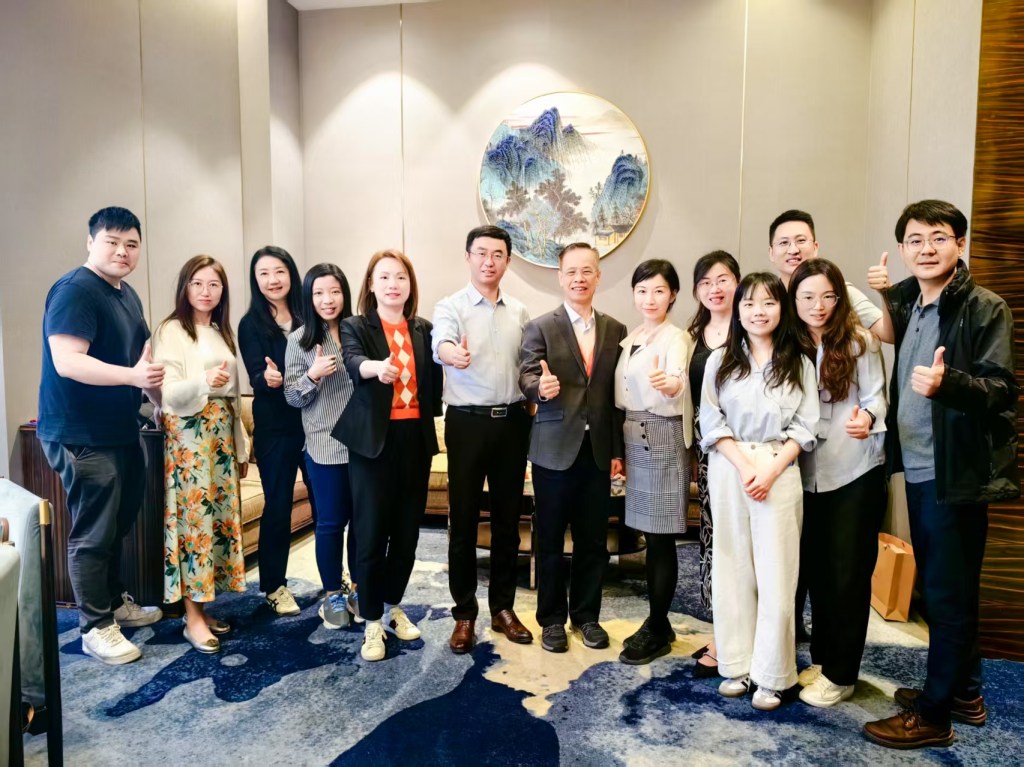
Sincere thanks to Professor Yu Fang, Chair of the Forum, for the gracious invitation and thoughtful organisation. A heartfelt thank you to all the colleagues and friends who contributed to the event with their participation and enthusiasm.
Let’s keep the momentum going—and continue walking together on this modern Silk Road of pharmacoeconomics.

 ECHORA Global